Skip Hire in Richmond for straightforward waste removal

Skip hire in Richmond gives households, trades and property managers a practical way to move mixed waste away from homes, gardens and work sites without turning the process into a series of separate trips. Our service supports projects that create bulky rubbish, renovation offcuts, packaging, soil and general non-hazardous waste, with a choice of skip sizes and related options to suit the work. The aim is simple: keep the collection process clear, lawful and manageable from the moment you request a quotation.
We offer skip hire as a flexible waste collection solution for domestic clear-outs, building work and regular commercial disposal needs. For customers who need a more targeted option, our builders skip hire and domestic skip hire pages explain two common use cases, while our commercial skip hire service is aimed at business premises and managed sites. If you are comparing sizes or planning access, the pages on skip sizes and prices and what can go in a skip are useful starting points before you ask for a quotation.
If you already know the kind of waste you need to clear, you can begin with the service that fits best and then refine the details from there. We keep the process practical, with an emphasis on matching the skip to the load, the site and any access limits. For a more tailored discussion, take a look at our pricing and quotes page, then use the final step to request your quotation in plain, straightforward terms.
Choosing the right skip for the job
Different jobs call for different capacities, and the best option is usually the one that matches the waste type and the available space rather than the largest container you can fit. Smaller domestic clearances often need compact skips that sit neatly on a driveway, while refurbishment work may justify a larger unit for mixed building materials and packaging. When you are unsure, the best approach is to describe the work clearly and let the choice follow from that.
Our service range can support a number of common disposal needs, including mixed household waste, light renovation debris, garden material and site rubbish from trade work. If your project includes timber, plasterboard, bricks, soil or similar materials, it helps to think about how those items will be loaded and whether they will sit alongside general rubbish. The more accurately the skip type is matched to the task, the easier it is to keep the collection orderly and compliant.
For customers who want a simpler comparison, the pages for builders waste removal and construction waste disposal show related disposal routes, while waste recycling services outlines how recovered material is handled after collection. These pages help you decide whether your priority is one-off removal, ongoing site support or a skip-based arrangement that suits a longer programme of work.
Domestic clearances and everyday household waste

Household waste can build up quickly after decorating, replacing furniture, clearing a garage or tidying a property before a move. Skip hire gives you a central place to put the load as it comes out of the home, which is often easier than waiting for separate charity, recycling and tip runs. It also keeps the job more structured when several people are helping and items are being sorted into keep, donate and dispose piles.
For domestic work, it is sensible to think about access, surface protection and where the skip can be placed without blocking normal use of the property. Our house clearance and garage and loft clearance pages cover related household removals where a skip may not be the only practical route, while rubbish removal can suit customers who prefer a collected load rather than loading a container themselves. These options help when the waste stream is awkward or when the property layout makes loading less straightforward.
Where the load is mainly domestic, it is still worth checking what the waste contains before it is placed in the skip. A clean, sorted load is easier to manage than a mixture of unsuitable materials, and it can prevent hold-ups later in the process. If you are preparing a quotation request, keep the description brief but specific: the main type of waste, the approximate volume and any space limitations are usually enough to start.
Builders and construction waste handled with care
Building projects produce waste in layers: packaging at the start, stripped-out fixtures during the middle, and heavier rubble or offcuts as the work progresses. Skip hire is often used because it provides a predictable disposal point for those changing loads. Our service can support refurbishment, extension work, strip-outs and smaller trade jobs where a tidy site matters as much as the final result.
For more specialised support, the pages on construction waste clearance and demolition waste removal describe related clearing tasks that may suit projects with heavier or more concentrated debris. If the job involves boards, plaster, fixtures or broken materials, sorting the waste by type before loading can make a noticeable difference to how smoothly the collection is managed. That is particularly useful on sites where several trades are working at once.
We also provide a route for mixed trade loads through site clearance, which is helpful when the waste comes from wider preparation work rather than a single room or structure. When planning a collection, it is sensible to think about whether the skip will be filled in one burst or over several days, because that often influences the right size and placement. If you need to compare similar options, it is worth reviewing the service pages before you ask for a quotation.
Garden waste, outdoor projects and green material

Outdoor work produces a different kind of waste from indoor jobs. Soil, turf, branches, hedge trimmings and old garden fittings all behave differently when they are loaded, stacked and transported. Skip hire can be an effective way to keep an outdoor project tidy, especially where the waste comes from landscaping, pruning, fence replacement or long-overdue clearance work around paths and sheds.
Our garden waste removal page is the best place to start if the load is mostly organic or outside-focused, while grab hire services and grab lorry hire may be relevant for heavier loose material that needs to be taken away quickly. Each option suits a different pattern of work, so the choice often depends on whether the waste is bagged, stacked, loose or mixed with harder items such as paving or timber.
For garden jobs, access and ground conditions matter just as much as the waste itself. A skip should be positioned where loading remains safe and practical, with enough room for the job to continue around it. If the work is large enough to generate repeated loads, a planned sequence can help, but in many cases a single well-sized container is all that is needed. That is why it helps to share the basics early and then refine the order once the job is defined.
Domestic and trade options for access-limited properties
Not every property has generous driveway space or clear roadside access, and some jobs need a disposal method that works around those limits. In such cases, the practical question is not simply what needs removing, but how the load can be handled without causing unnecessary disruption. Options such as wait-and-load or enclosed skips may suit more sensitive or access-conscious work, depending on the site.
Our wait and load skip hire page covers a collection method that avoids leaving a container on site, while enclosed and lockable skip hire is designed for situations where the contents need to be kept contained. These services can be useful for shared spaces, busier roads or projects where it is better to manage loading in a shorter, more controlled window. If you are comparing approaches, think about where the waste will come from and whether the site can accommodate a skip for longer than a brief stop.
Two details usually make the biggest difference: the type of waste and the access available. If you are preparing an enquiry, a simple note about the property layout, the amount of waste and any loading restrictions is often enough to identify the right method. For jobs that need a quick turnaround, the same-day skip hire page may also be relevant if the timing suits your project and the load can be described clearly.
How to prepare a useful quotation request

A good quotation request is short, specific and easy to compare. Start with the type of waste, then add a rough idea of quantity and whether the load is mainly household, garden, building or commercial material. If you can, mention where the skip would go and whether access is straightforward. That gives a clear picture without turning the enquiry into a long explanation.
It is also helpful to know whether you need a permit, whether loading will happen all at once or over several days, and whether the waste includes anything that may need separate handling. The pages on skip permits and skip hire permits are useful if the container will sit on public land or in a position that may require permission. For regulated items, the hazardous waste disposal page is the right place to check before you proceed.
When you are ready, keep the wording plain and practical: what needs removing, where it is located and when you would like it collected. That is usually enough to move from general interest to a workable quotation. If you want to confirm payment-related points beforehand, the payment and security page sets out the relevant information in one place. Then you can request a quote with confidence and avoid unnecessary back-and-forth.
Waste types, sorting and what belongs in the container
Skip hire works best when the load is suited to the container and the material is arranged sensibly before it goes in. Some waste can be mixed, while other items are better kept separate because of weight, disposal rules or recycling requirements. The aim is not to make loading complicated; it is to reduce avoidable problems and to keep the collection useful from start to finish.
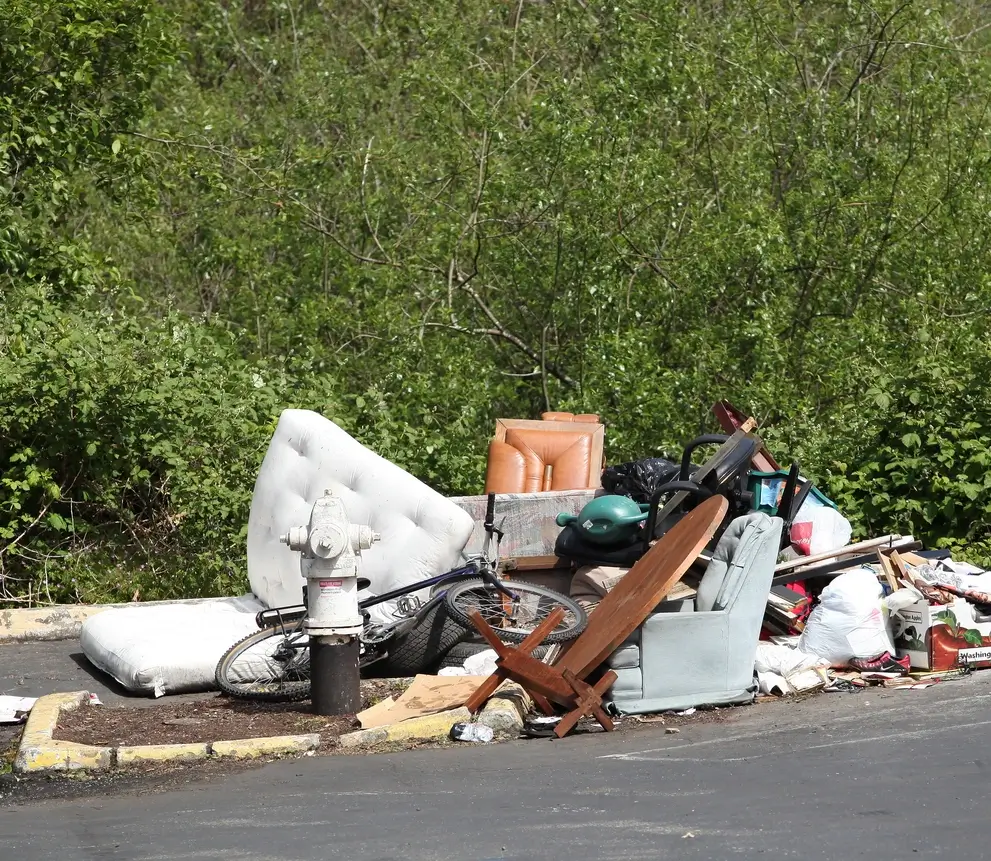
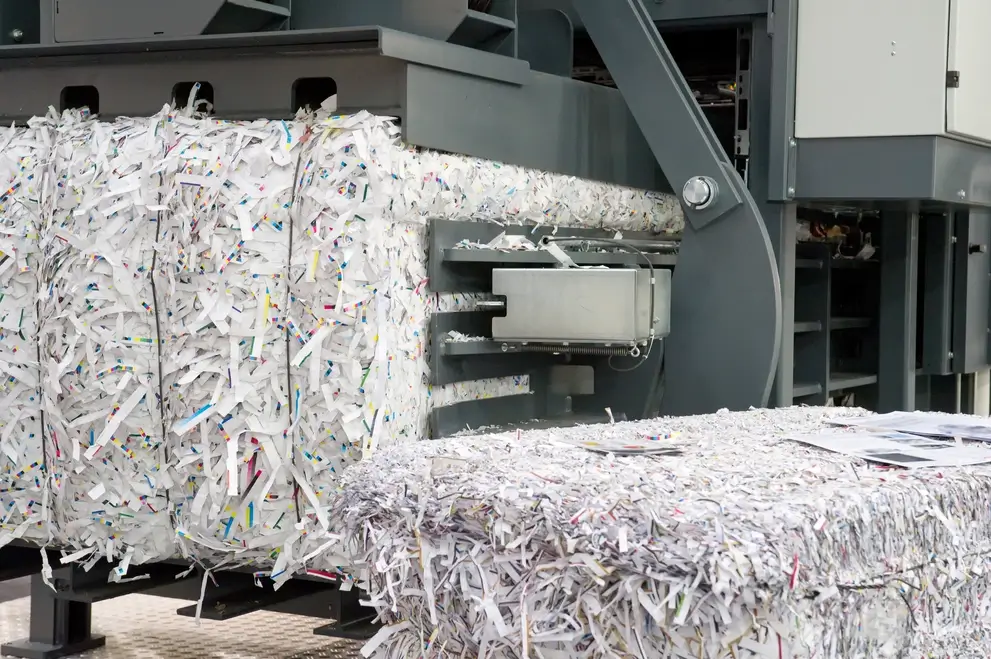
Our what can go in a skip page gives a practical guide to common materials, while fridge and appliance removal and mattress and sofa disposal are helpful when the waste includes bulky household items that may need extra attention. If the load includes confidential paper, the confidential shredding page can be relevant, and mixed loads may be better planned once those items are identified early.
Where possible, a small amount of sorting before loading can improve the overall handling of the job. For example, inert rubble, timber, furniture and green waste do not all behave the same way once they are in a container. Keeping the most awkward pieces visible also makes it easier to judge whether the skip is filling as expected. Good preparation is usually simple preparation, not a long checklist.
Recycling, sustainability and responsible disposal
Many customers want a waste solution that does more than simply take material away. Responsible disposal includes collection, sorting and onward handling that allows suitable materials to be recovered where possible. Skip hire can fit into that approach well because it creates a single, managed point for the waste before it moves into the wider treatment process.
Our recycling and sustainability page explains the general approach to recovery and disposal, while waste recycling services gives a broader view of how materials are separated and processed. That is useful if your project includes a variety of waste streams and you want to understand how they are likely to be dealt with after collection. It also helps to set realistic expectations about what can and cannot be recovered.
For business customers, the question is often about keeping waste handling orderly rather than making it visible. For domestic customers, the priority may be simply removing clutter without creating extra trips or a confusing sorting exercise. In both cases, the service works best when the waste is described accurately and the container is used for the right material from the outset.
About Richmond
Richmond upon Thames, commonly known simply as Richmond, is a riverside district in southwest London with a long association with royal, suburban and leisure landscapes. The area developed around the historic town centre on the Thames bend, where the river, open spaces and transport links have all shaped its character. Richmond Park, established in the seventeenth century and still one of London’s most significant green spaces, occupies a large swathe of land to the south and west, while Kew Gardens lies to the northeast on the river’s edge and adds a globally recognised botanical landscape to the borough. The riverside walk, the old street pattern near Richmond Green and the built fabric around the station area give the centre a layered appearance that combines older terraces, commercial streets and modern redevelopment. Richmond Green itself remains a notable public open space, historically linked to gatherings, sport and the social life of the town, and it sits close to Georgian and Victorian buildings that reflect the district’s later growth. The Thames path, riverside pubs and mooring points reinforce the district’s relationship with the water, while nearby parks and gardens continue to define how residents and visitors use the area. Richmond also has a strong cultural and recreational identity, with theatres, local shops and frequent rail and Underground connections reinforcing its role as both a residential centre and a destination in its own right.
Commercial skip options for ongoing work

Businesses, landlords, managing agents and contractors often need waste arrangements that fit regular activity rather than a one-off clear-out. Skip hire can support scheduled maintenance, refits, shop fitting, office changes and repeated disposal during building or landscaping projects. The practical value lies in having a dependable collection point that can be planned around the work rather than interrupting it.
For lighter internal projects, our office clearance and man and van pages offer alternative routes when a skip is not the only or best answer. If the job is larger, then the combination of builders skip hire, site clearance and commercial skip hire can provide a more structured approach. The right option depends on what is being removed, how quickly it accumulates and whether the site has room for loading.
When you are ready to proceed, the final step is simple: choose the service that fits your load, check the supporting information and request a quotation. If you would like the most direct route, use our contact us page to send the details through and arrange the next stage.